Coming from an Asian background, where our regional discourse on modern architecture developed relatively later, I have always viewed the narrative of “Western Modernism’s debt to Japanese architecture” with a mix of excitement and healthy skepticism. Following my previous insights as a volunteer for the Robin Boyd Foundation, where we explored Boyd’s fascination with Japanese architecture and the 1970 Osaka Expo, this trip across the Pacific felt like a natural extension of that dialogue. At the Liljestrand House, I saw firsthand how the “Eastern enlightenment” discussed by Boyd was masterfully manifested into what we now call Tropical Modernism.
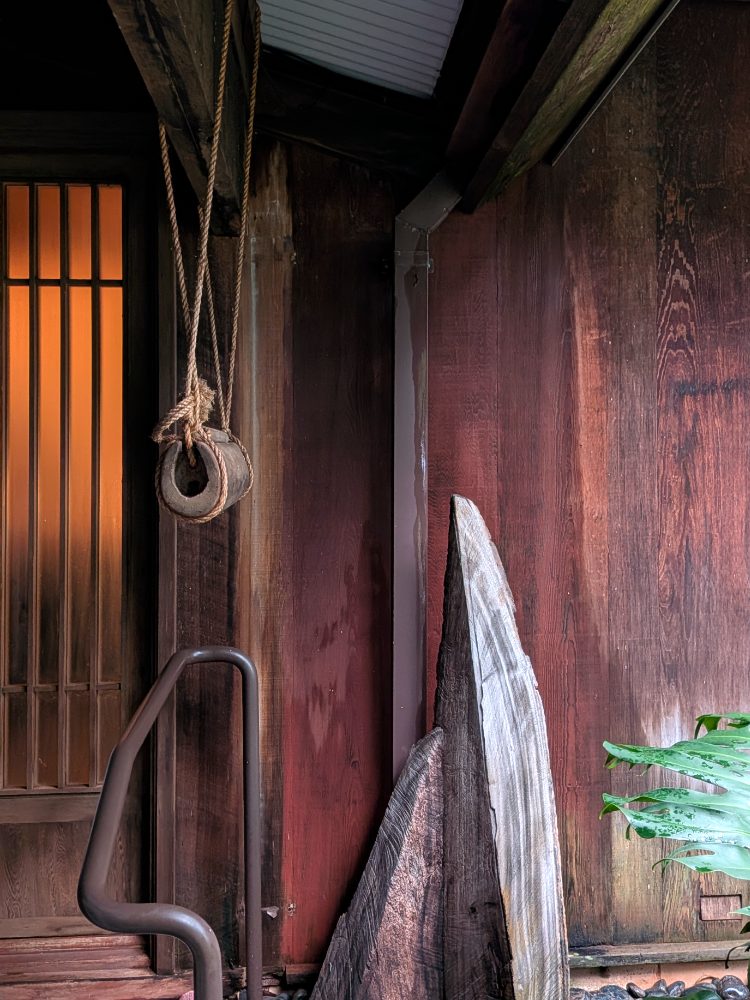
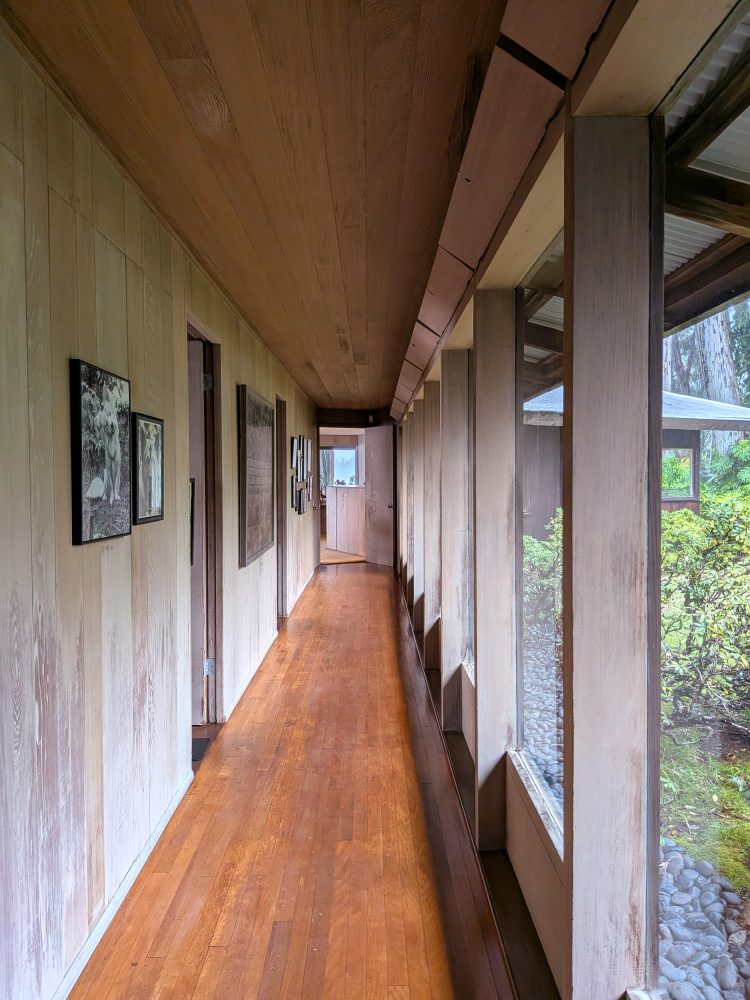
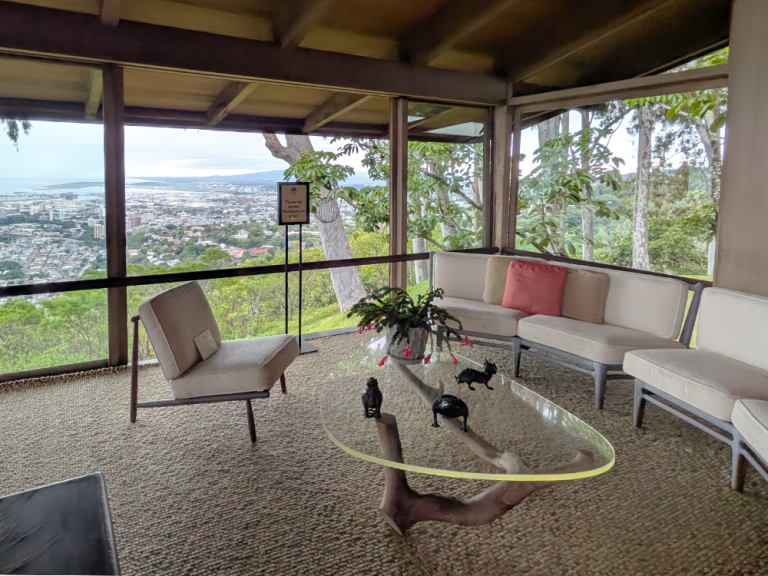
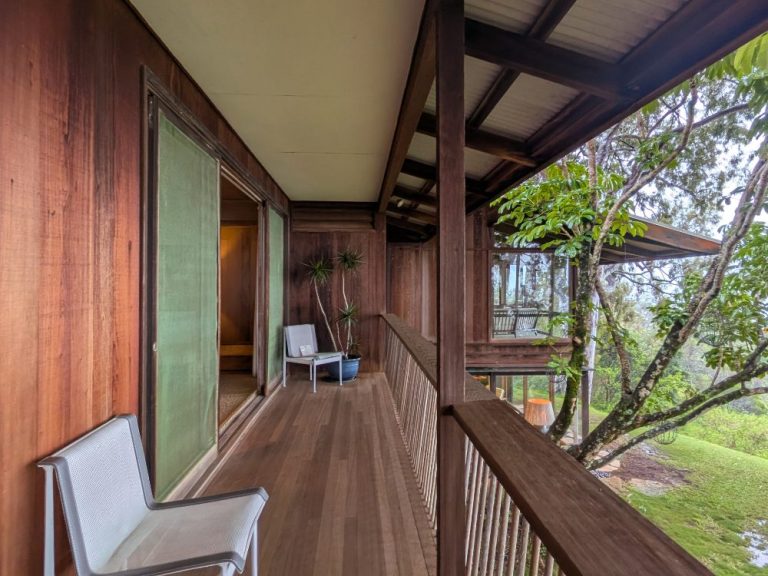
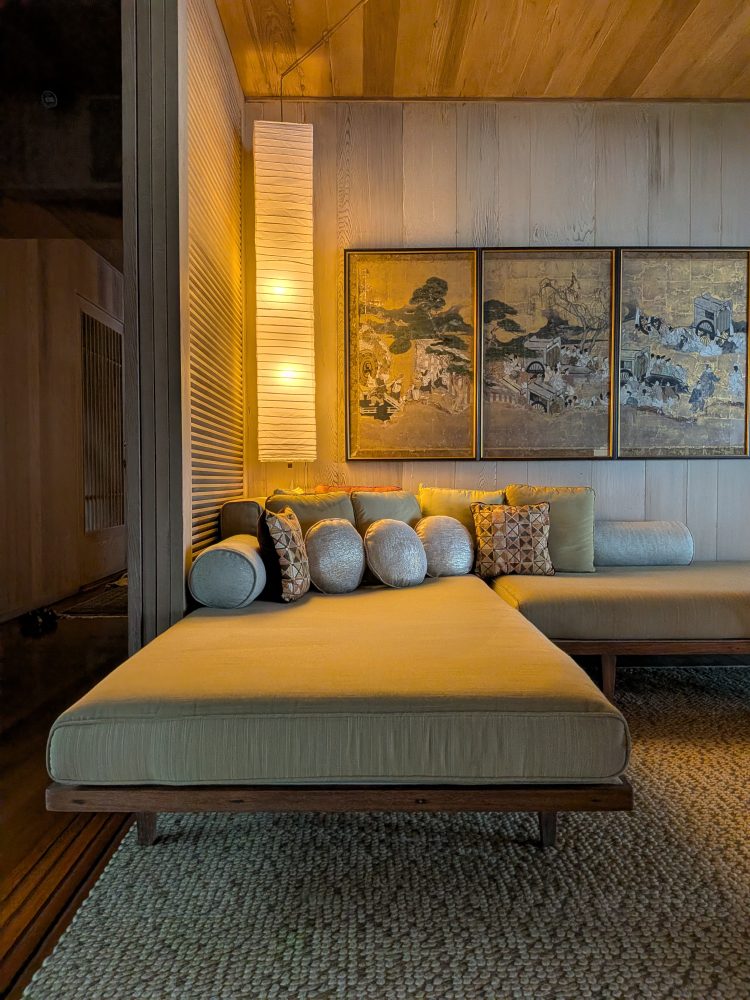
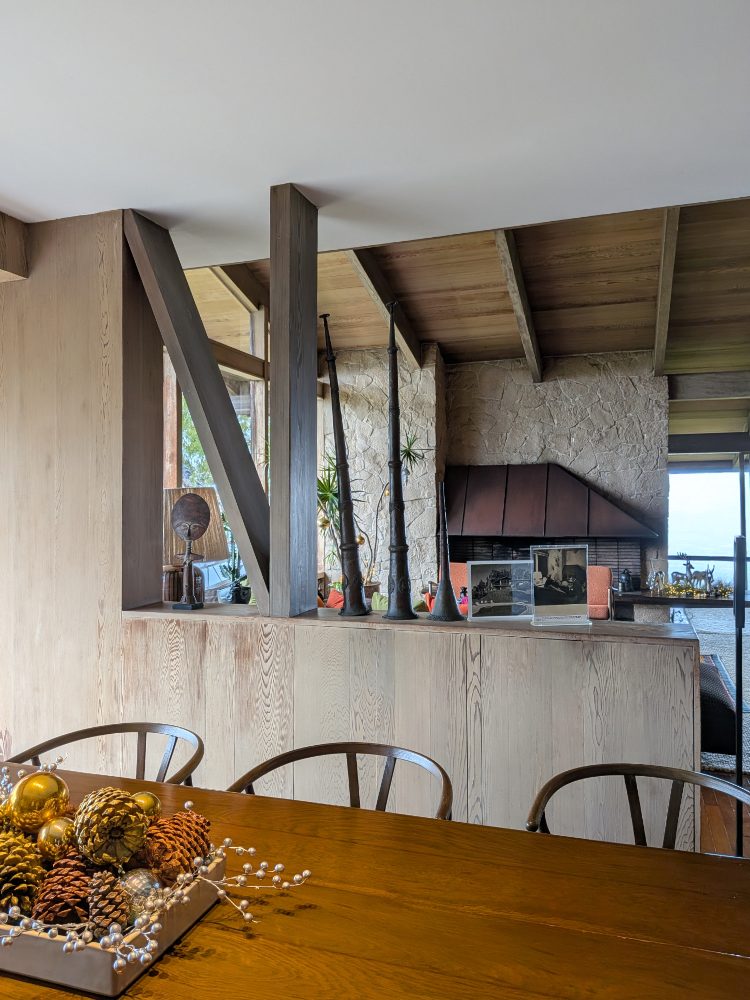
Perched on a secluded, hilly site on Mount Tantalus, the house utilizes a spatial narrative reminiscent of traditional Japanese architecture. One enters through a humble, understated threshold, only to be met with a sudden, expansive panoramic view of Honolulu upon turning into the living room. The abundant use of timber allows the structure to dissolve almost entirely into the lush landscape.
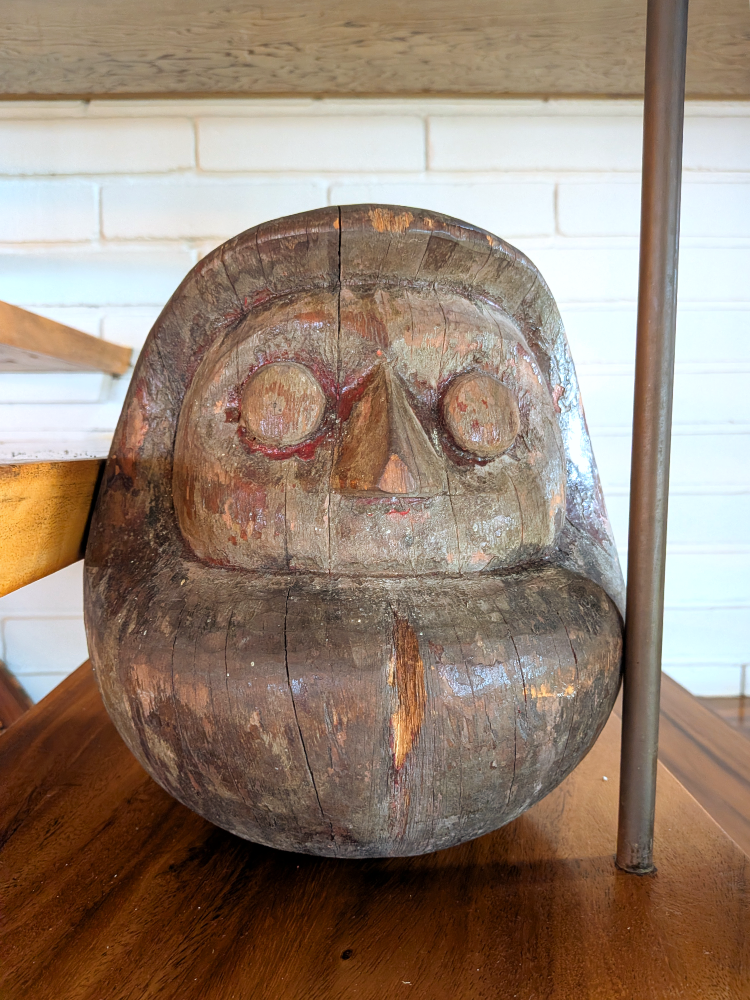
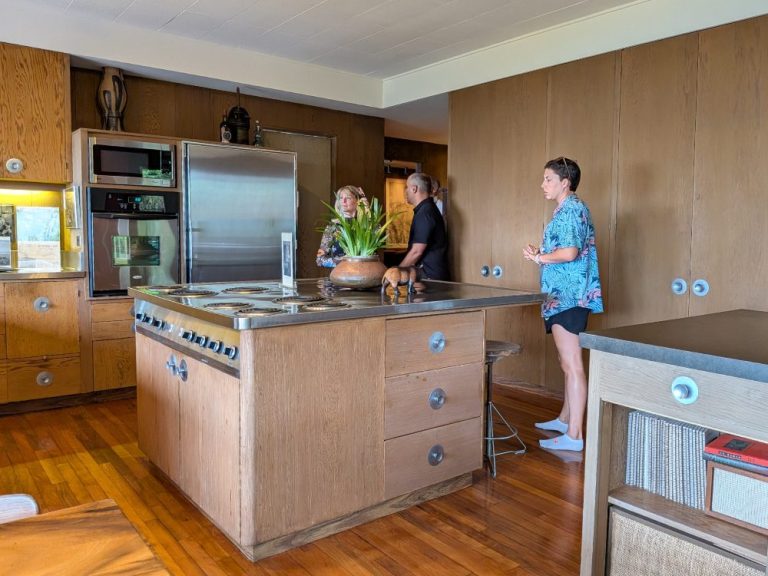
Throughout the tour, I found myself captivated by the surgical precision of the details: the sophisticated window and ventilation systems, the seamless hidden door tracks, and the minimalist, button-like light switches. I was particularly impressed by the joinery of the cantilevered fixtures, the custom master bed that integrates a desk and bedside reading lights into a single form, and all built-ins within the compact kitchen. Every element is elegant, innovative, and deeply functional. While the house exudes a calm, minimalist aura, it reveals itself as a treasure trove of architectural surprises as you move through its rooms. It is more than a residence; it is a living organism where Chinese, Japanese, and Western design vocabularies coexist in perfect harmony with the environment.
In an era of rapid, standardized construction, do you believe this level of cross-cultural “craftsmanship” is an essential soul of architecture, or has it become a luxury of the past?
作為一名擁有亞洲背景的建築人,我深知東方現代建築的發展相對較晚。因此,當人們談論「西方現代建築如何受日本建築啟蒙」時,我內心總在期待之餘帶著一絲好奇與質疑。繼上次分享了我作為 Robin Boyd Foundation 義工,探討了 Robin Boyd 鏡頭下的日本建築啟蒙後,這次的美國之旅讓我對這個命題有了更深刻的體會。在夏威夷的 Liljestrand House,我親眼見證了 Vladimir Ossipoff 如何將這種東方哲學轉化為具體的熱帶現代主義建築。